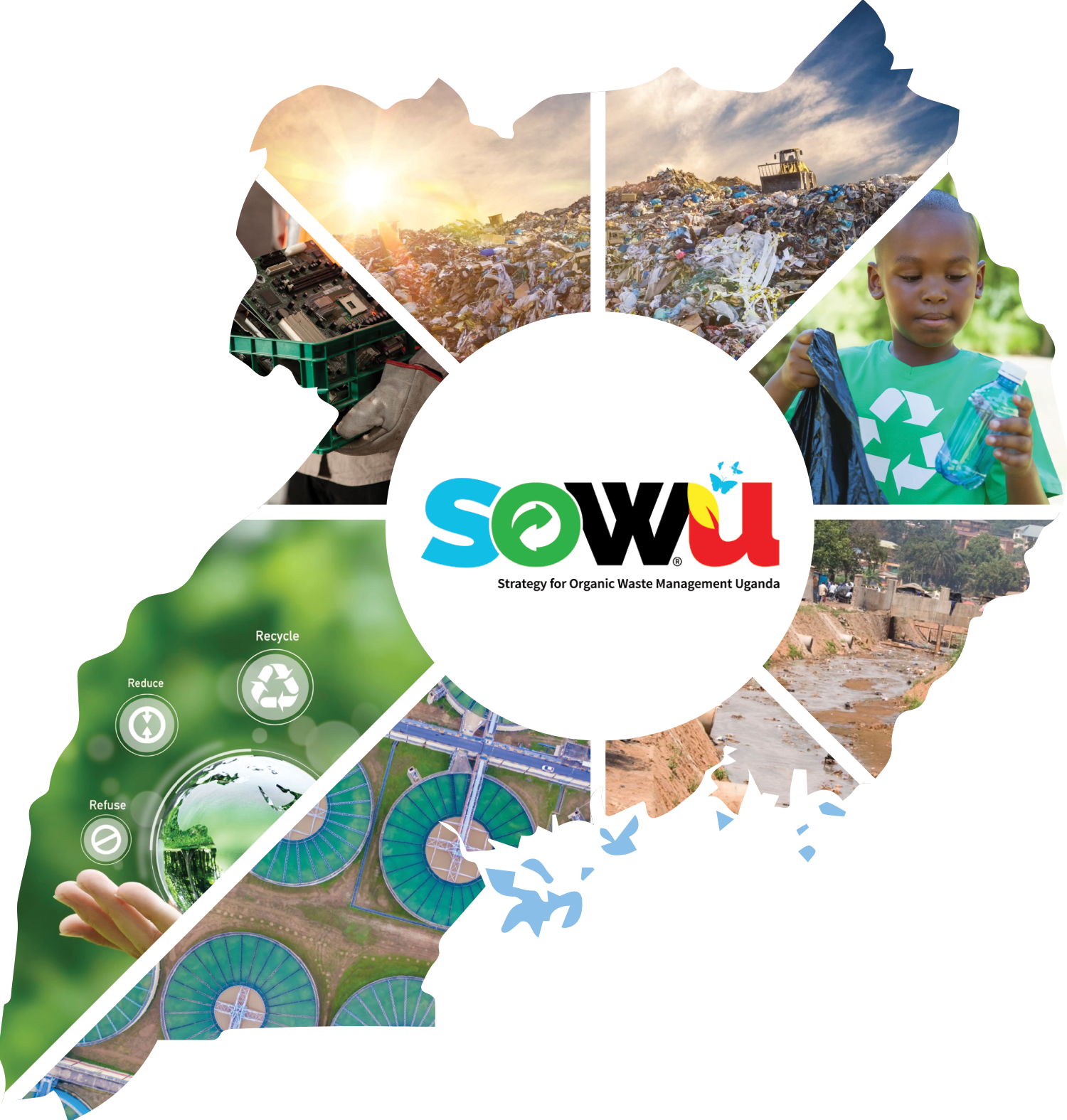
Strategy for Organic Waste Management in Uganda (SOWU) Project
The overall goal of the project is to reduce short-lived climate pollutants (SLCPs) like methane which is essential for mitigating climate change and air pollution. Methane is a powerful SLCP with 28 times the warming potential of carbon dioxide over a 100-year period.
The Strategy for Organic Waste Management Uganda (SOWU) project is a joint initiative that is a response to a request from the government of Uganda through the Ministry of Water and Environment and National Environment Management Authority (NEMA).
The SOWU project is supporting the government of Uganda to develop a comprehensive national strategy for organic waste management, which is aligned to the current policies and Uganda’s ambitions for the 2025 Nationally Determined Contributions (NDC).
The overall goal of the project is to reduce short-lived climate pollutants (SLCPs) like methane which is essential for mitigating climate change and air pollution.
Methane is a powerful SLCP with 28 times the warming potential of carbon dioxide over a 100-year period.
However, unlike carbon dioxide, which can remain in the atmosphere for centuries, methane breaks down within about a decade.
This means that cutting methane emissions can rapidly slow global warming, making it one of the most effective short-term climate solutions.
The SOWU project is in its second year of implementation and has registered a number of key outputs including stakeholder engagement, mapping and analysis, as well a comprehensive policy review. All of which have provided the basis for drafting the national emissions inventory and organic waste management strategy.
The project team has identified and catalyzed funding opportunities to support the implementation of Uganda’s national organic waste management strategy.
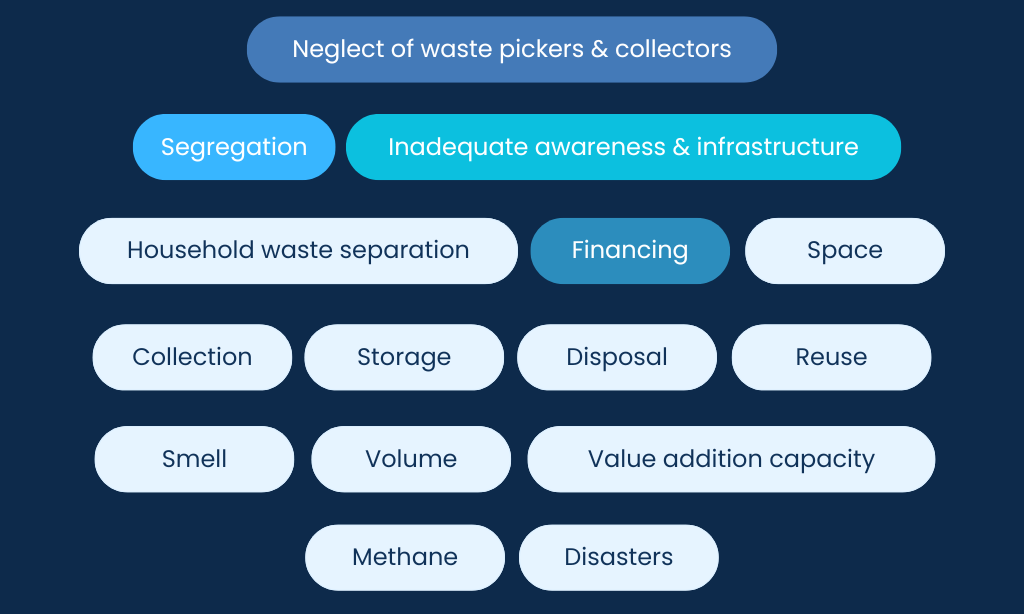
The SOWU project will address these challenges by promoting sustainable practices, developing a comprehensive organic waste management strategy, building stakeholder capacity, exploring financing options, and adding value to organic waste in Uganda, thus contributing to both environmental sustainability and economic development.
Our North Star
The project is delivering the following three main outcomes:
A national short-lived climate pollutant mitigation strategy for organic waste that is aligned with the country’s objectives, along with long-term policy recommendations to the national government.
Raise the profile of organic waste management in an effort to prioritize its funding.
Provide tools to develop and maintain a reliable monitoring, reporting, and verification framework to monitor organic waste generation management and short-lived climate pollutant emissions, accompanied by an organic waste sorting manual.
The SOWU project is led by an interdisciplinary team including: IIASA, the lead Institution; Stellenbosch University (South Africa), and the African Centre for Clean Air (ACCA), a research and policy Center, working collaboratively with the Government of Uganda, represented by the Ministry of Water and Environment and the National Environmental Management Authority (NEMA).
Funding
This project is funded and technically supervised by the Climate and Clean Air Coalition (CCAC).